Human-eye VR for operators

Next-Gen VR Simulation Platforms for Location-Based Entertainment

Varjo helps venues launch premium headset attractions with optical precision, measured throughput, and deployment support built for commercial rooms instead of one-off demos.

Launch, measure, monetize

Built around commercial VR economics

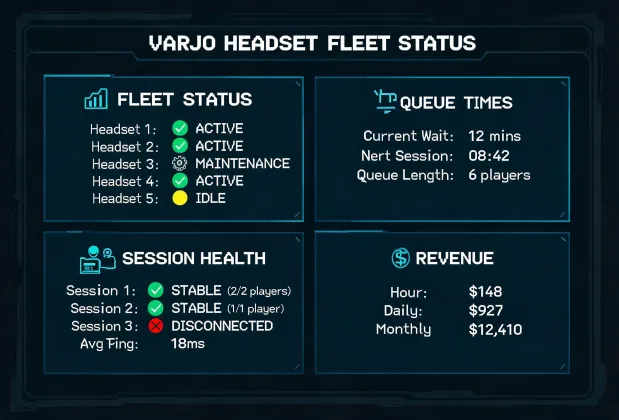
Operator console for VR venue
01

Instrument every session

Track session length, headset uptime, reset events, comfort notes, and queue velocity so the attraction can be tuned with evidence. The goal is not spectacle alone; it is a repeatable room that operators can manage during a Saturday peak.
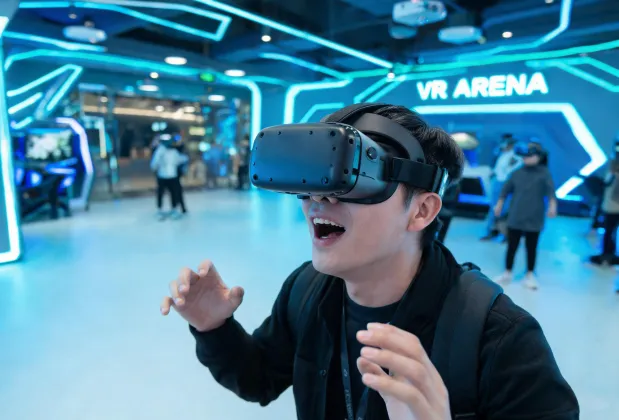
Guest wearing premium VR headset
02

Design for human-eye clarity

High-resolution displays, careful optics, and frame pacing support longer simulation sessions where cockpit instruments, architectural detail, and training cues remain legible. That clarity helps premium ticket pricing feel justified to guests and enterprise buyers.

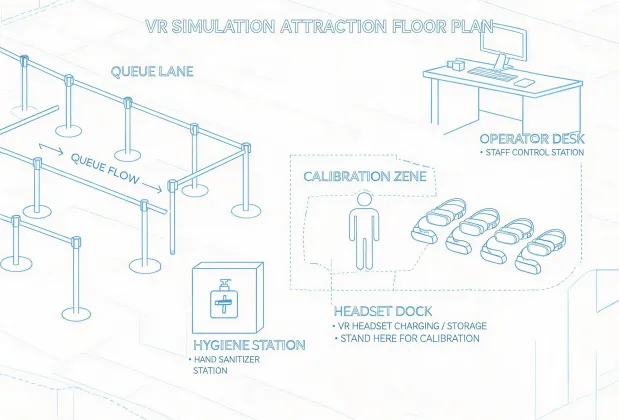
VR simulation attraction floor plan
03

Plan the room before hardware ships

Deployment notes cover tracking volume, PC GPU targets, cable management, hygiene staging, and staff handoff. Integrators get a practical starting point for attraction footprint, rider flow, and support cadence.

Technical envelope

Specs operators ask for before approval

Use these ranges to scope a Varjo headset room with IT, operations, and guest-service teams. Final values depend on headset model, software stack, and local power code.

Resolution planning
Specify by model with readable cockpit, CAD, or interface targets.
Refresh target
90 Hz class operation for comfort-sensitive simulations.
Fit workflow
Operator script covers IPD, strap tension, lens care, and first-session checks.

Tracking volume
Mapped before install with occlusion review and staff reset positions.
GPU class
Matched to content frame budget, mixed reality pass-through, and session length.
Network
Separate operator VLAN recommended for content updates and monitoring.

Turnaround target
Hygiene station and guest staging designed for sub-3-minute reset windows.
Training
Game master scripts cover age gating, comfort checks, and emergency stop protocol.
Lifecycle
Consumables, face pads, cables, and docks are listed in the launch bill of materials.

Venue fit

Where Varjo systems get specified

LBE

VR Arcades

Premium headset rooms with controlled throughput, staff-led onboarding, and repeat-visit content calendars.

SIM

Training Centers

Flight, driving, and mission rehearsal programs that need readable instruments and low-latency visuals.

ENT

Theme Attractions

Motion seats, immersive theater, and mixed reality pre-shows requiring durable operator routines.

LAB

Design Studios

Enterprise visualization rooms where teams review products, architecture, and spatial prototypes.

4K+sessions modeled per launch plan
90Hzcomfort frame pacing target
6operator workflow checkpoints
24hremote escalation window

Measured deployment

The data layer behind the demo

Operators need numbers they can discuss with finance, IT, and guest-service managers. Varjo packages each launch around room performance, support readiness, and guest comfort checks.

01Throughput modelRiders per hour, reset windows, and staffing assumptions.
02Health monitorHeadset state, software version, dock status, and support notes.
03Comfort protocolFirst-session briefing, motion sensitivity script, and stop flow.
04Revenue reviewTicket mix, group bookings, accessory revenue, and upgrade paths.

Ready to scope a room?

Deploy. Instrument. Tune. Scale.

Send the footprint, desired session length, and content plan. Varjo will return a practical operator brief for headset count, compute assumptions, tracking layout, and launch support.

Start a Project